

Places to visit in Melbourne sets the stage for this enthralling narrative, offering readers a glimpse into a story that is rich in detail and brimming with originality from the outset. This metropolis, situated in the southeastern region of Australia, is a treasure trove of cultural, historical, and natural attractions that cater to diverse interests and preferences. From iconic landmarks to vibrant neighborhoods, and from serene green spaces to bustling shopping havens, Melbourne has something to offer everyone.
Whether you’re a local or a visitor, Melbourne’s numerous attractions provide endless opportunities for exploration and discovery. The city’s architectural landscape is characterized by a blend of historical and modern structures, reflecting the country’s rich colonial past and its ongoing commitment to innovative design. The iconic Flinders Street Station, the Royal Exhibition Building, and the Federation Square are just a few examples of Melbourne’s most striking landmarks, each with its own unique story to tell.
Melbourne’s Iconic Landmarks Showcase
Melbourne’s architectural heritage is a testament to the city’s rich history and cultural significance. The city’s iconic landmarks, such as Flinders Street Station, Royal Exhibition Building, and Federation Square, have played a pivotal role in shaping Melbourne’s identity and have become a source of community pride. These landmarks not only reflect the city’s architectural diversity but also serve as vibrant cultural and social hubs, attracting tourists and locals alike.
In this section, we will delve into the architectural styles and historical significance of these prominent landmarks and explore their cultural and social impact on the city.
Architectural Styles and Historical Significance
Melbourne’s architectural landscape is a blend of Victorian-era grandeur, Art Deco elegance, and modern sustainability. The city’s iconic landmarks reflect these diverse styles, with Flinders Street Station showcasing a mix of Victorian and Edwardian architectural influences. The Royal Exhibition Building, a UNESCO World Heritage Site, is an exemplary representation of Victorian architecture, featuring a grand façade and intricate ironwork.
The Federation Square complex is a masterpiece of modern architecture, comprising a series of interconnected pavilions that serve as event spaces, exhibition halls, and public plazas. The square’s distinctive design, featuring a large screen, public art installations, and a tranquil urban garden, has become a hub for local artists, performers, and citizens.
Cultural and Social Impact
Melbourne’s iconic landmarks have played a significant role in shaping the city’s cultural and social identity. The city’s street art scene, for instance, has found a creative outlet in Federation Square’s public art installations, while the Royal Exhibition Building has hosted numerous international exhibitions, showcasing the city’s commitment to innovation and progress.
Flinders Street Station, the busiest railway station in the Southern Hemisphere, is a testament to Melbourne’s rich transportation history and its role as a major industrial and commercial center. The station’s majestic vaulted ceilings, intricate ironwork, and ornate tilework evoke a sense of grandeur and nostalgia, reflecting the city’s storied past.
When exploring Melbourne’s vibrant cultural scene, be sure to add Queen Victoria Market to your itinerary, which offers a diverse range of local produce and souvenirs. The bustling city streets are also dotted with trendy cafes and restaurants, perfect for taking a break and catching up on the latest entertainment trends, such as Free X Movies Revolutionizes Entertainment , but don’t forget to experience the city’s famous street art, galleries, and historic landmarks, like the Docklands and St Kilda Beach.
Tourist Attractions and Community Events Spaces
Melbourne’s iconic landmarks have become a major drawcard for tourists, attracting visitors from around the world. The city’s famous street art, public festivals, and vibrant cultural events are often held in and around these landmarks, making them a lively and dynamic part of the city’s social fabric.
Federation Square, for instance, hosts a range of festivals and events throughout the year, including concerts, art exhibitions, and cultural performances. The square’s large screen and public art installations also provide a platform for citizen-led initiatives, ensuring that the space remains a vibrant hub of community activity.
Key Statistics and Facts
| Landmark | Year Built | Architectural Style |
|---|---|---|
| Flinders Street Station | 1909 | Victorian/Eastern Railway |
| Royal Exhibition Building | 1880 | Victorian |
| Federation Square | 2002 | Modern |
Melbourne’s iconic landmarks are a testament to the city’s rich history and cultural significance, showcasing its commitment to innovation, progress, and community engagement.
Exploring Melbourne’s Vibrant Neighborhoods

Melbourne’s neighborhoods are its lifeblood, each with its own unique character, attractions, and cultural vibe. From trendy boutiques to world-class restaurants, Melbourne’s neighborhoods are the places to experience the city’s cosmopolitan atmosphere. Whether you’re an art enthusiast, a foodie, or simply someone who loves to explore, Melbourne’s neighborhoods have something for everyone.
The Rise of Street Art in Melbourne
Melbourne’s street art scene has become a hallmark of the city’s cultural identity. The city’s laneways and streets have been transformed into outdoor galleries, showcasing everything from intricate murals to thought-provoking installations. Street art has played a significant role in putting Melbourne on the map as a premier cultural destination.
- The AC/DC Lane in Melbourne’s CBD is one of the city’s most famous street art displays, featuring vibrant murals depicting the legendary rock band.
- The Hosier Lane is another iconic street art precinct, with a constant changing display of new and exciting artworks.
Exploring Fitzroy: Melbourne’s Fashion Capital
Fitzroy is one of Melbourne’s trendiest neighborhoods, known for its fashion boutiques, independent cafes, and vibrant street art scene. This cosmopolitan area is a must-visit destination for anyone looking to experience the city’s hipster culture.
| Shopping Destination | Description |
|---|---|
| Gertrude Street | This bustling shopping strip is lined with an assortment of trendy boutiques and vintage stores. |
| Smith Street | This vibrant thoroughfare is a hotspot for independent cafes and restaurants. |
Discovering Carlton: Melbourne’s Cultural Heart
Carlton is Melbourne’s cultural heart, boasting a wide range of cultural attractions, including the iconic Melbourne Museum and the Australian Centre for the Moving Image. This historic neighborhood also has a rich coffee culture, with numerous cafes and bakeries serving up delicious treats.
- The Carlton Gardens are a beautiful Victorian-era park that offers a tranquil oasis in the midst of the bustling city.
- The Melbourne Museum is one of Australia’s most renowned cultural institutions, offering a vast array of exhibitions on science, history, and culture.
- Little Bourke Street, also known as ‘Little Italy’, is a bustling shopping precinct that offers a taste of the Mediterranean.
Exploring St Kilda: Melbourne’s Iconic Beachside Suburb
St Kilda is one of Melbourne’s most beloved beachside suburbs, boasting a stunning coastline, amusement park, and a vibrant arts scene. This eclectic neighborhood offers a range of activities, from beach volleyball to boutique shopping.
- The St Kilda Beach is one of Melbourne’s most popular beaches, offering stunning views of the city skyline.
- The Luna Park Melbourne is a historic amusement park that features a range of thrill rides and games.
- The St Kilda Pier is a scenic walkway that offers panoramic views of the bay and the city.
Nature Escapes and Green Spots in Melbourne

Melbourne, often referred to as Australia’s cultural capital, boasts a rich array of nature escapes and green spots that provide a tranquil retreat from the bustling city streets. The city’s green spaces play a vital role in maintaining the physical and mental well-being of its residents, as well as supporting biodiversity within the urban environment.Nature has long been an integral part of Melbourne’s identity, with numerous parks, gardens, and open spaces that showcase the region’s unique flora and fauna.
From the scenic Royal Botanic Gardens to the expansive Albert Park, these natural escapes offer a serene atmosphere, recreational activities, and opportunities for exploration and learning.
The Royal Botanic Gardens
The Royal Botanic Gardens is one of Melbourne’s most iconic and beloved green spaces. Spanning an impressive 38 hectares, the gardens showcase an incredible collection of over 8,500 different species of plants, including rare and endangered species from around the world. Visitors can stroll through the gardens, exploring the various plant collections, and enjoy the peaceful surroundings.
The Royal Botanic Gardens is a living museum, with a collection of plants that are not only beautiful but also have significant scientific value.
- The gardens are divided into different sections, each showcasing a unique theme, such as the Fern Gully, the Herbarium, and the Conservatory.
- The gardens feature a stunning glasshouse, the Fernery, which is home to a lush collection of ferns and other tropical plants.
- The gardens also host various events and exhibitions throughout the year, including guided tours, workshops, and art installations.
Albert Park
Albert Park is a large public park in the heart of Melbourne, covering an area of approximately 390 hectares. The park offers a range of recreational activities, including walking and cycling trails, sports facilities, and picnic areas. Visitors can also enjoy the park’s serene atmosphere, take in the scenic views, and spot local wildlife.
| Facilities | Description |
|---|---|
| Lake and walking trails | The park features a large lake, which is surrounded by walking trails that offer stunning views of the surrounding landscape. |
| Sports facilities | The park has a range of sports facilities, including soccer fields, tennis courts, and a bowling green. |
| Picnic areas | The park has numerous picnic areas, including barbecues, shelters, and playgrounds. |
Green Spaces and Urban Planning
Green spaces like the Royal Botanic Gardens and Albert Park are not only essential for maintaining the physical and mental well-being of residents but also play a vital role in urban planning. These areas help to mitigate the urban heat island effect, provide insulation, and support biodiversity within the city.
Green spaces are a critical component of urban ecosystems, and their importance cannot be overstated.
- Urban heat island effect mitigation: Green spaces can reduce the urban heat island effect by providing shade, improving air quality, and promoting evapotranspiration.
- Insulation: Green spaces can help to insulate buildings, reducing the need for air conditioning and heating.
- Biodiversity support: Green spaces provide habitat for local wildlife, supporting biodiversity within the city.
Melbourne’s Art and Cultural Hotspots
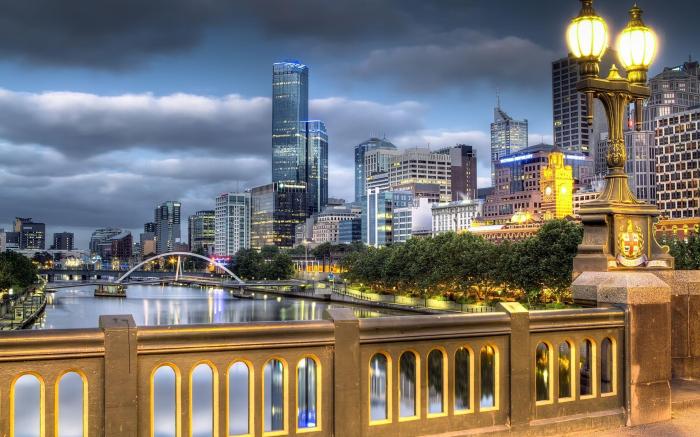
Melbourne is renowned for its vibrant cultural scene, with a plethora of institutions dedicated to showcasing local and international art. At the heart of this scene lies a rich history, with iconic institutions like the National Gallery of Victoria (NGV) and Melbourne Museum playing a pivotal role in shaping the city’s identity.The National Gallery of Victoria is one of Australia’s oldest and most respected art museums, with a collection spanning over 68,000 works.
Established in 1861, the NGV’s mission is to collect, conserve, and showcase works of art from around the world, with a focus on Australian and Asian art. With a commitment to innovation and excellence, the NGV has become a hub for contemporary art and culture, featuring exhibitions that are both thought-provoking and awe-inspiring.
The Types of Exhibitions and Events
From blockbuster exhibitions featuring the works of renowned artists to interactive installations and events that celebrate the city’s diverse cultural heritage, the NGV offers a constantly evolving program of activities that cater to a wide range of interests. Whether you’re an art enthusiast or simply looking for a unique experience, the NGV has something for everyone.
When exploring Melbourne’s vibrant scene, consider visiting the Royal Botanic Gardens to unwind, then stroll along the Southbank Promenade, and experience the dynamic culture that inspired innovative concepts like Free Fras De Résiliation A Game-Changing Concept in Contractual Law which shares similarities with navigating Melbourne’s flexible retail leases, afterwards head to the Docklands to enjoy a thrilling shopping experience, and finally visit the iconic Melbourne Cricket Ground.
- Collections Exhibitions
- Temporary Exhibitions
- Family and Children’s Activities
The NGV’s permanent collections take visitors on a journey through the ages, showcasing works from ancient civilizations to contemporary masterpieces.
Featuring works from local and international artists, these exhibitions offer a unique glimpse into the world of contemporary art.
Interactive installations and workshops designed to engage and inspire kids, perfect for families and school groups.
The Role of Art and Culture in Shaping Melbourne’s Identity
The National Gallery of Victoria and Melbourne Museum are not only world-class institutions, but also symbols of Melbourne’s rich cultural heritage. By showcasing the city’s vibrant art and cultural scene, these institutions play a vital role in attracting tourists, fostering creativity, and shaping the city’s identity.
- Tourism and Economic Growth
- Creativity and Innovation
The art and cultural sector has contributed significantly to Melbourne’s economy, attracting visitors from around the world and generating revenue for local businesses.
By showcasing cutting-edge art and cultural initiatives, Melbourne inspires creativity and innovation, providing a dynamic environment for artists, designers, and entrepreneurs.
Conclusion, Places to visit in melbourne
Melbourne’s art and cultural hotspots offer a wealth of experiences that not only showcase the city’s vibrant cultural heritage but also contribute to its economic growth, creativity, and innovation. Whether you’re an art enthusiast or simply looking for a unique experience, Melbourne has something for everyone, making it the perfect destination for those seeking inspiration, creativity, and cultural enrichment.
Last Point
Places to visit in Melbourne are not just limited to its iconic landmarks and cultural attractions. The city’s diverse neighborhoods, such as Fitzroy and Carlton, boast a unique blend of street art, boutique shops, and multicultural cuisine, making them perfect for those looking to explore the city’s hidden gems. Whether you’re a nature lover, an art enthusiast, or simply looking for a change of scenery, Melbourne’s numerous parks, gardens, and waterways offer a tranquil escape from the city’s bustling streets.
As a traveler, you will discover that Melbourne is a city that seamlessly combines tradition with innovation, offering a captivating blend of old and new, rich history and modernity.
FAQ Summary: Places To Visit In Melbourne
What is the best time to visit Melbourne?
Melbourne experiences a temperate climate, making it ideal for travel throughout the year. However, the best time to visit is from September to November or March to May, when the weather is mild and pleasant.
How do I get around Melbourne?
Melbourne has a comprehensive public transportation system, including trams, buses, and trains. You can also use ride-hailing services or taxi operators to get around the city.
What are some popular shopping districts in Melbourne?
Melbourne has a plethora of shopping districts, including Bourke Street Mall, Collins Street, and Smith Street. These areas offer a range of high-end designer boutiques, vintage stores, and specialty shops.
Can I visit Melbourne on a budget?
Yes, Melbourne can be visited on a budget. Consider staying in hostels or budget hotels, eating at affordable restaurants, and exploring free attractions like the Royal Botanic Gardens or Federation Square.


