

With free puss at the forefront, this comprehensive guide delves into the fascinating world of feral cats, exploring their complex history, biology, and impact on human societies. From ancient mythology to modern-day technological innovations, we’ll uncover the unexpected twists and insights that have shaped the human-cat relationship.
This discussion is not just about the cats themselves, but also about the intricate dynamics between humans and animals, highlighting the need for compassionate and sustainable management of feral cat populations.
The Biology and Evolution of Free-Roaming Cats
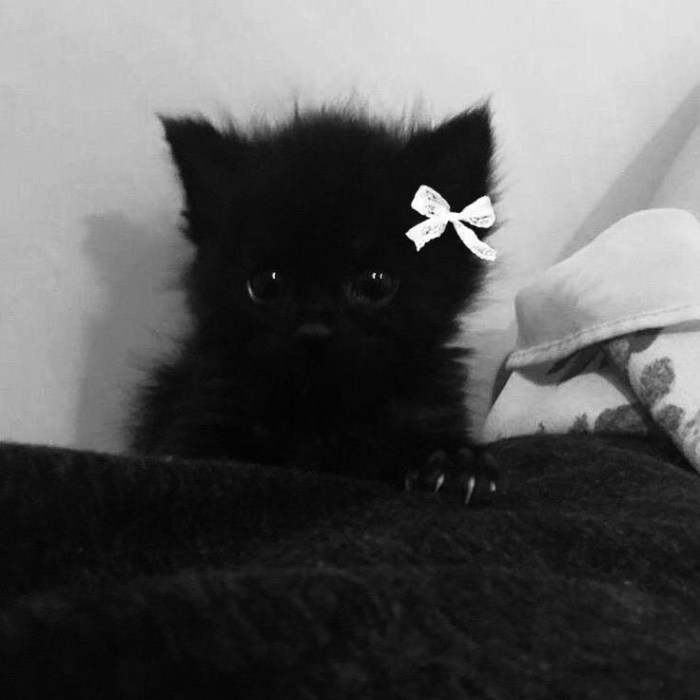
Free-roaming cats, also known as feral cats, have been a persistent presence in human-dominated landscapes for centuries. Their biology and evolution have been shaped by a complex interplay of genetic and environmental factors, which have enabled them to thrive in a wide range of environments.The genetic factors that contribute to the development of feral cat populations are largely derived from their domesticated ancestors.
Over time, domesticated cats have undergone selective breeding for desirable traits such as docility and a lack of aggression towards humans. However, many domesticated cats have also escaped or been released into the wild, where they have adapted to local environments and developed distinct physical and behavioral characteristics.Environmental factors have also played a crucial role in shaping the biology and evolution of feral cats.
In the absence of humans, feral cats have had to rely on their own abilities and resources to survive. They have developed sophisticated hunting strategies, such as stalking and ambushing prey, and have learned to exploit available food sources in their environments.
Adaptability and Resilience of Feral Cats
Feral cats are renowned for their adaptability and resilience in the face of adversity. They have been observed surviving in diverse environments, from tropical rainforests to arctic tundras, and from urban centers to rural landscapes. Their ability to adapt to new environments and exploit available food sources has been facilitated by their flexibility in terms of diet and habitat. Feral cats have a significant impact on the ecosystems in which they inhabit. Free Puss enthusiasts know that when their beloved pets get injured, every minute counts. That’s why it’s crucial to find the nearest emergency room, such as emergency room near me , to get immediate attention. Thankfully, medical advancements have made it possible for veterinarians to administer cutting-edge care to furry friends like Puss, ensuring a speedy recovery and a happy reunion.
They are considered apex predators, playing a key role in regulating the populations of small mammals, birds, and reptiles. Their prey base includes a wide range of species, from rodents to birds to lizards, and they have been observed targeting vulnerable or weak individuals.| Characteristic | Domestic Cats | Feral Cats | Wild Ancestors || — | — | — | — || Body Size | 8-12 kg | 6-10 kg | 10-15 kg || Coat Color | Various | Tabby, black, white | Gray, brown, black || Behavioral Traits | Docile, affectionate | Fearful, aggressive | Solitary, territorial || Habitat Preference | Indoor, outdoor | Feral colonies, urban areas | Wild, natural habitats |
- Feral cats have been observed to play a key role in regulating the populations of small mammals, such as rodents and rabbits, in urban ecosystems.
- They have also been shown to impact the populations of birds, including songbirds and waterfowl, in urban and rural areas.
- In some ecosystems, feral cats are considered a major predator of reptiles, including snakes and lizards.
Despite their ecological significance, feral cats are often viewed as pests, and their control is a major concern in many ecosystems. Understanding their biology and evolution can provide valuable insights into their behavior, ecology, and management.
“Feral cats are not just a nuisance; they are an integral part of many ecosystems, playing a key role in regulating the populations of small mammals, birds, and reptiles.”
The adaptability and resilience of feral cats make them a formidable presence in many ecosystems, and their ecology and management require a nuanced understanding of their biology and evolution.
The Welfare and Human-Animal Interactions in Feral Cat Colonies
Feral cat colonies have long been a subject of concern for animal welfare advocates and local communities. While these colonies can be challenging to manage, a comprehensive approach to their care can significantly improve the lives of the cats and the people living nearby. The effectiveness of a feral cat colony’s care program depends on various factors, including the involvement of local authorities, community engagement, and the implementation of efficient management strategies.
TNR Programs and Community-Led Initiatives
Trap-Neuter-Return (TNR) programs are widely recognized as the most effective method for managing feral cat colonies. This approach involves trapping feral cats, spaying or neutering them, and then releasing them back into their colonies. By preventing further breeding, TNR programs reduce the population growth rate, thereby mitigating the impact of feral cats on local animal welfare and public health.TNR programs have numerous benefits, including improved cat welfare, reduced nuisance complaints, and enhanced community engagement.
However, these programs also face significant challenges, such as resource allocation, education and outreach, and enforcement of local regulations. A well-executed TNR program requires a collaborative effort between local authorities, animal welfare organizations, and community members.
Benefits of TNR Programs
- Improved cat welfare: TNR programs reduce population growth rates, thereby decreasing the likelihood of cats being euthanized or removed from their colonies. This approach also addresses health concerns, such as feral cat-borne diseases, and provides access to veterinary care.
- Reduced nuisance complaints: TNR programs can lead to a decrease in nuisance complaints, as the reduced population size and improved cat health reduce the likelihood of cats causing problems for nearby residents.
- Enhanced community engagement: TNR programs often involve community members in the management and care of feral cat colonies, promoting education, outreach, and collaboration.
- Public health benefits: By reducing the population size and improving cat health, TNR programs can decrease the likelihood of feral cat-borne diseases being transmitted to humans.
Limitations of TNR Programs
While TNR programs demonstrate numerous benefits, they also face challenges in implementation and management. These challenges include:
- Resource constraints: Implementing and maintaining a TNR program requires significant resources, including financial support, equipment, and personnel.
- Lack of community buy-in: Some community members may resist or reject TNR programs, creating obstacles for successful implementation.
- Inadequate enforcement: The lack of clear regulations or enforcement can hinder the effectiveness of TNR programs and compromise community cooperation.
- Funding instability: Securing and maintaining funding is crucial for the long-term success of TNR programs, making it a significant challenge for local authorities and animal welfare organizations.
Key Considerations for Establishing and Maintaining Feral Cat Colonies
Establishing and maintaining a feral cat colony requires careful consideration of various logistical, financial, and social challenges. Some key considerations include:
- Developing a comprehensive management plan: A well-planned and executed management strategy is essential for ensuring the welfare of feral cats and addressing community concerns.
- Funding and resource allocation: Securing and maintaining funding, as well as allocating resources, is crucial for the long-term success of feral cat colonies.
- Community engagement and education: Educating community members about the benefits and challenges of TNR programs can foster cooperation and participation in colony management.
- Regulatory framework and enforcement: Establishing a clear regulatory framework and enforcing local laws can promote effective management and minimize conflicts between feral cat colonies and local residents.
Free Puss as a Symbol in Art, Literature, and Popular Culture

In contemporary popular culture, cats have become a ubiquitous presence, symbolizing independence, agility, and mystery. From advertising to film, literature, and art, cats are frequently used as metaphors or symbols to convey these qualities, making them an indispensable part of our collective imagination. In this context, we’ll explore the significance of cats in popular culture, highlighting their association with different cultures and historical periods.
Cats in Advertising
In the realm of advertising, cats have been used extensively to promote products, brands, and services. Their association with independence, agility, and mystery makes them an ideal mascot for various industries, including technology, fashion, and automotive. For instance, Intel’s “Bongo” ad campaign featuring a cat navigating a keyboard showcases the brand’s emphasis on agility and wit. Similarly, the popular coffee brand, Nescafe, used a cat as its mascot, highlighting the brand’s commitment to quality and independence.
| Brand | Product/Service | Mascot |
|---|---|---|
| Intel | Computer Processors | Bongo (a cat) |
| Nescafe | Coffee | |
| Meow Mix | Pet Food |
Cats in Film and Literature
In film and literature, cats are often depicted as mystical and enigmatic creatures, embodying the qualities of independence, agility, and mystery. Works such as ‘The Cat in the Hat’ by Dr. Seuss and ‘The Cat from Hunger’ by Ljudmila Pavličenko showcase the cat’s association with creativity, imagination, and mischief. In the realm of cinema, films like ‘That Darn Cat’ (1965) and ‘Puss in Boots’ (2011) feature cats as central characters, highlighting their role as comedic relief and agents of chaos.
- The Cat in the Hat (by Dr. Seuss)
- The Cat from Hunger (by Ljudmila Pavličenko)
- That Darn Cat (1965)
- Puss in Boots (2011)
Cats in Art and Culture
In art and culture, cats have been a recurring motif, symbolizing independence, agility, and mystery. From Egyptian hieroglyphs to ancient Greek and Roman art, cats have been depicted as sacred animals, associated with goddesses and mystical powers. In modern art, cats are frequently used as a symbol of rebellion, nonconformity, and free-spiritedness. Artists like Picasso and Dalí have featured cats in their works, highlighting their connection to the surreal and the irrational.
- Egyptian hieroglyphs
- Ancient Greek and Roman art
- Picasso and Dalí
- Surrealism and abstraction
The Role of Technology in Managing and Understanding Free Puss
The integration of technology has revolutionized the field of animal management, including the study and control of free-roaming cat populations. By leveraging advanced tools and methods, researchers and conservationists can gain a deeper understanding of feral cat behavior, population dynamics, and the impact of human activities on these colonies.
While searching online for information about free cat pictures or ‘free puss’, one may come across various websites that also distribute free resources, such as Bibles , as a way to bridge the gap between technology and spirituality, yet the original interest, cat enthusiasts, remain drawn to visually appealing content featuring felines.
Tracking and Monitoring Feral Cat Populations
Technology has played a crucial role in tracking and monitoring feral cat populations. For instance, GPS collars can be fitted to individual cats, allowing researchers to track their movements, habitat use, and social interactions. This information is invaluable for understanding the behavior and spatial dynamics of feral cat colonies. Moreover, camera traps can be strategically placed to capture images of cats, providing insights into population size, composition, and activity patterns.
Data Analysis and Visualization
Data analysis software is essential for making sense of the vast amounts of information generated by tracking and monitoring technologies. By utilizing techniques such as spatial analysis and machine learning algorithms, researchers can identify patterns and trends in feral cat behavior, including movement patterns, habitat use, and population growth or decline. Visualizing this data using maps, graphs, and other interactive tools can facilitate the communication of complex information to stakeholders, including policymakers, conservationists, and the general public.
Examples of Data Visualization
To illustrate the power of data visualization, consider the following hypothetical example. Suppose we have tracked the movements of 100 feral cats in a given area over a 6-month period. We can use software to create a heat map, displaying the density of cat activity across the study area. By color-coding the map, we can highlight areas of high and low activity, providing insights into the cats’ habitat use and spatial behavior.
Heat maps can be an effective way to visualize data, but it’s essential to consider the scale and resolution of the map to avoid misinterpretation.
Limitations and Considerations, Free puss
While technology has significantly advanced our understanding of feral cat populations, it is essential to consider the limitations and potential biases of these methods. For instance, GPS collars may not always accurately track cats, especially in areas with dense vegetation or complex terrain. Moreover, camera traps may not capture images of cats that are active at night or in areas with limited visibility.
These limitations highlight the importance of combining multiple data sources and methods to ensure a comprehensive understanding of feral cat populations.
Technical Considerations
When implementing technology-based monitoring and tracking systems, it is crucial to consider the technical requirements and limitations of each approach. For instance, GPS collars may require regular battery replacements, while camera traps may need to be periodically cleaned and maintained. Additionally, data analysis software may require significant computational resources and expertise to interpret the results effectively.
Human Factors and Considerations
The management and understanding of feral cat populations also involve human factors and considerations. For instance, the use of technology may require collaboration with local authorities, landowners, and community groups to ensure the successful implementation of tracking and monitoring systems. Furthermore, the collection and analysis of data may involve ethical considerations, such as ensuring the welfare of the cats and respecting their habitat and behavior.
- Developing effective tracking and monitoring systems requires a comprehensive understanding of feral cat behavior, habitat use, and population dynamics.
- Data analysis software can facilitate the interpretation of complex data, but it’s essential to consider the limitations and potential biases of these methods.
- Prioritizing animal welfare and respecting their habitat and behavior is crucial when implementing technology-based monitoring and tracking systems.
- Collaboration with local stakeholders, including authorities, landowners, and community groups, is essential for the successful implementation of tracking and monitoring systems.
- Regular maintenance and technical support are required to ensure the effective operation of tracking and monitoring systems.
This example demonstrates the application of technology in tracking and monitoring feral cat populations, as well as the importance of considering both human and animal factors in the management and understanding of these colonies.
Final Summary
In conclusion, free puss has become an integral part of our urban ecosystems, embodying both beauty and resilience. As we navigate the challenges of managing feral cat populations, it’s essential to recognize the significance of cats in popular culture and their role as metaphors for independence and agility. By embracing a comprehensive approach that combines technology, community engagement, and cat-friendly environments, we can create a better world for both humans and animals.
General Inquiries: Free Puss
Q: What is the ideal population size for a feral cat colony?
A: There is no one-size-fits-all answer, but a general guideline is to maintain a population size of 10-30 cats per colony, allowing for adequate food, shelter, and veterinary care.
Q: How can I safely approach a feral cat?
A: Move slowly, speak calmly, and maintain a safe distance to avoid startling the cat. If the cat appears healthy, you can try offering food or toys to build trust.
Q: Can feral cats be domesticated?
A: While it’s possible to tame feral cats, it’s challenging and often requires a long-term commitment from the owner. Domestication should be considered on a case-by-case basis, taking into account the cat’s individual temperament and behavioral history.
Q: What are the benefits of Trap-Neuter-Return (TNR) programs for feral cats?
A: TNR programs reduce the number of new feral kittens born in the wild, decrease aggression, and lower the risk of diseases transmitted from feral cats to other animals. By spaying/neutering and providing basic care, TNR programs promote a more humane and sustainable management approach.
Q: How can I contribute to local initiatives that support feral cat welfare?
A: Look for local animal welfare organizations or community-led groups that offer Trap-Neuter-Return services, spay/neuter clinics, or foster programs for feral cats. You can also participate in fundraising events, volunteer your time, or spread awareness about feral cat welfare through social media.


