

Dubai State Map is a fascinating study of the city’s unique blend of tradition and modernity, shaped by its arid desert climate, strategic location, and rich history.
The city’s state map is a reflection of its remarkable growth from a small trading port to a thriving metropolis, driven by a combination of its entrepreneurial spirit, visionary leadership, and investment in infrastructure.
Dubai State Map
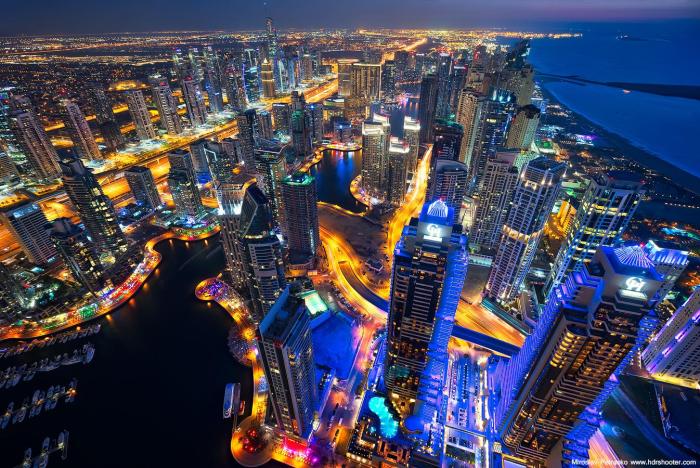
Dubai, the vibrant city-state that is an integral part of the United Arab Emirates (UAE), owes a significant portion of its uniqueness to the extraordinary geographic features of the UAE region, which make its state map an intriguing example of how topography and climate intersect to shape the urban landscape.The UAE region is characterized by two primary features – the arid desert landscape and the Persian Gulf coastline – which have profoundly impacted the development of Dubai’s cities and infrastructure.
The unique blend of hot and dry desert conditions, combined with the coastal influence, necessitates innovative urban planning, architecture, and infrastructure development.
Topographical Factors
The UAE region’s terrain can be broadly categorized into three types: coastal plains, inland deserts, and oases. The coastal plains are generally flat, whereas the inland deserts exhibit extensive sand dunes, and the oases are scattered throughout the region, providing vital areas of vegetation and freshwater.Key points of discussion:
- The UAE’s topography has played a crucial role in shaping Dubai’s economy, with the coastal plains facilitating trade and commerce.
- The inland deserts, on the other hand, have been transformed into a vast arid landscape, characterized by extensive sand dunes.
- The oases, scattered throughout the region, have provided vital sources of vegetation and freshwater, sustaining life and economic activities.
Climatic Factors
The climate in the UAE is characterized by extremely hot summers and mild winters, with temperatures ranging from 0°C (32°F) in January, the coldest month, to as high as 46°C (114.8°F) in July, making it one of the hottest countries in the world.This extreme climate has significant implications for urban planning, architecture, and infrastructure development in Dubai. For instance, buildings in Dubai are designed to withstand the intense heat during the summer months.
Moreover, the government has implemented various strategies to mitigate the effects of climate change, such as increasing the use of renewable energy sources, implementing efficient cooling systems, and promoting sustainable urban planning practices.
Urban Planning and Architecture
Dubai’s urban landscape is characterized by a unique blend of modern and traditional architecture. The city’s planners have taken into account the harsh desert climate when designing buildings, with many structures featuring extensive use of glass, steel, and other materials that minimize heat absorption.Furthermore, Dubai’s urban planning strategies have been influenced by the desert climate. For instance, many of the city’s parks and gardens are designed to be fully shaded, reducing the impact of the sun on urban heat islands.
Moreover, the city’s transportation infrastructure, including its roads and public transportation systems, have been planned to minimize the impact of the desert climate on travel times and efficiency.
Dubai State Map

Dubai’s state map has undergone significant transformations since its inception in the 19th century. From a humble trading port to a cosmopolitan city, Dubai’s development has been shaped by a series of pivotal events that have contributed to its current status as a global hub for trade, tourism, and finance.
The Early Years: 19th Century to 1947
Dubai’s history dates back to the 19th century when the Al Bu Falasa tribe settled in the area. The British colonial powers played a significant role in shaping the region’s geography and economic systems. In 1892, the British established the Trucial States, a confederation of sheikhdoms that would eventually become the United Arab Emirates (UAE). Dubai, along with the other Trucial States, signed the General Maritime Treaty with the British, allowing them to maintain control over the region’s foreign relations.
The signing of the General Maritime Treaty marked the beginning of Dubai’s transformation into a modern state.
When navigating the sprawling landscape of Dubai, a state map becomes an essential tool for discovering hidden gems and getting your bearings – just like how a quick search for printer near me helps you find the best printing services for your travel documents. Dubai’s map offers a unique blend of modern architecture, vibrant neighborhoods, and world-class attractions; all of which are expertly woven into its intricate layout.
- The treaty established the British as the dominant power in the region, leading to significant economic and infrastructural development in Dubai.
- The British invested in infrastructure projects, including the construction of the Dubai Creek, which became the city’s commercial hub.
- The creek enabled Dubai to establish itself as a major trading center, attracting merchants and sailors from across the region.
By 1947, Dubai had emerged as a significant trading center, with a growing population and a thriving economy.
The Discovery of Oil: 1966
The discovery of oil in Dubai in 1966 marked a turning point in the city’s development. The oil reserves, located in the Dubai Emirate, were estimated to be around 97 billion barrels. The discovery of oil brought significant economic benefits to Dubai, allowing the government to invest in infrastructure projects, education, and healthcare.
- The discovery of oil led to the establishment of the Dubai Petroleum Company, which managed the state’s oil resources and implemented exploration and production activities.
- The oil revenue enabled the government to invest in various sectors, including infrastructure, education, and healthcare, leading to rapid economic growth and development.
- The oil industry also attracted foreign investment, leading to the establishment of new businesses and the creation of new job opportunities.
The discovery of oil in Dubai marked the beginning of a new era of growth and development for the city, transforming it into the modern metropolis it is today.
The Evolution of Dubai’s State Map
Over the years, Dubai’s state map has undergone significant changes, reflecting the city’s rapid growth and development. The city’s early years were characterized by a series of fortifications and settlements, which gradually gave way to modern infrastructure projects, including roads, bridges, and skyscrapers.
- Dubai’s state map has undergone significant transformations, reflecting the city’s rapid growth and development.
- The city’s early years were characterized by a series of fortifications and settlements, which gradually gave way to modern infrastructure projects, including roads, bridges, and skyscrapers.
- The discovery of oil in 1966 marked a significant turning point in Dubai’s development, leading to rapid economic growth and the establishment of new businesses.
Today, Dubai’s state map reflects its status as a global hub for trade, tourism, and finance. The city’s modern infrastructure, business-friendly environment, and strategic location have made it an attractive destination for investors and tourists alike.
Dubai State Map: Urban Planning Strategies
Dubai’s urban planning has been a key factor in its rapid growth and development into a world-class destination. From the initial concept of creating a modern city to its current status as a cosmopolitan hub, Dubai’s state map has been shaped by a series of innovative urban planning strategies.Dubai’s urban planning strategies can be organized into distinct categories, each with its own unique characteristics and contributions to the city’s development.
Green Spaces
Dubai’s commitment to green spaces is reflected in the city’s numerous parks and gardens. One notable example is the Dubai Miracle Garden, a floral wonderland that covers an area of over 170,000 square meters. Designed to showcase the beauty of flowers and plants, the garden features over 45 million flowers arranged in stunning patterns and designs.
The Dubai Miracle Garden is a testament to the city’s focus on sustainable living and its commitment to providing its residents with clean air and a healthy environment.
Another example of Dubai’s green spaces is the Dubai Water Canal, a 3.2-kilometer-long waterway that runs through the city and offers stunning views of the skyscrapers and luxury developments. The water canal is lined with walking and cycling paths, making it an ideal spot for outdoor recreation and relaxation.
Waterfront Developments
Dubai’s waterfront developments have played a crucial role in shaping the city’s identity and attracting tourists and investors. The Palm Jumeirah, for instance, is an iconic man-made island that has become a symbol of Dubai’s opulence and extravagance. The island is home to luxury hotels, resorts, and villas, making it a popular destination for tourists and celebrities.Another notable example of Dubai’s waterfront developments is the Dubai Marina, a sprawling complex of high-rise buildings, shopping centers, and entertainment venues.
The marina is a hub of activity, with numerous restaurants, bars, and cafes offering stunning views of the Arabian Gulf.
Megastructures, Dubai state map
Dubai’s megastructures have been a key factor in its ability to attract visitors and investors. The Burj Khalifa, for instance, is the tallest building in the world, standing at a height of over 828 meters. Designed by the American architectural firm Skidmore, Owings & Merrill, the Burj Khalifa is an engineering marvel that has become a symbol of Dubai’s ambition and vision.Another notable example of Dubai’s megastructures is the Dubai Mall, the largest shopping mall in the world, covering an area of over 5.9 million square feet.
The mall features over 1,200 stores, as well as dining, entertainment, and leisure options, making it a must-visit destination for tourists and locals alike.
Comparison with Other Developed Cities
Dubai’s urban planning strategies have been compared to those of other developed cities around the world. While Dubai’s approach has been praised for its innovative and ambitious nature, it has also been criticized for its lack of attention to social and environmental issues.In contrast, cities like Singapore and Hong Kong have focused on creating green and sustainable spaces, with a strong emphasis on preserving natural habitats and preserving cultural heritage.
Singapore’s Gardens by the Bay, for instance, is a stunning example of urban planning and design, featuring over 100 hectares of gardens and parklands.
To navigate through the vast city of Dubai, familiarizing yourself with the 5 Guys restaurants near you might be a great starting point, but let’s get back on track – understanding the Dubai state map is crucial for identifying key areas and landmarks, which can also lead you to other points of interest, such as popular dining spots or cultural hotspots, within the Emirate.
Areas for Improvement
Despite its successes, Dubai’s urban planning strategies have faced criticism for their lack of accountability and transparency. The city’s authorities have been accused of not involving the public in decision-making processes, with many projects being carried out without adequate consideration for social and environmental impacts.In addition, Dubai’s reliance on megastructures and luxury developments has led to concerns about income inequality and housing affordability.
With the city’s rapid growth, many residents have been priced out of the market, leading to concerns about social exclusion and community cohesion.
Suggestions for Future Planning Strategies
To address these concerns, Dubai’s urban planning strategies should adopt a more inclusive and sustainable approach, incorporating green spaces and social housing initiatives into its development plans. The city should prioritize the involvement of the public in decision-making processes, ensuring that residents have a voice in shaping their living environments.The city should also focus on creating affordable housing options, with a greater emphasis on community-led development and participatory budgeting.
This would not only address concerns about income inequality but also promote social cohesion and community engagement.Furthermore, Dubai should seek to diversify its economy and promote the development of sustainable industries, such as renewable energy and advanced manufacturing. This would reduce the city’s reliance on oil revenues and contribute to its long-term sustainability and resilience.
Dubai State Map: Environmental Considerations
Dubai’s arid desert climate poses significant environmental challenges, making water conservation and efficient management crucial for the city’s survival. With a rapidly growing population and increasing urbanization, Dubai has implemented various initiatives to mitigate its environmental impacts and ensure sustainable development.
Water Conservation
Dubai’s government has taken several measures to conserve water resources, given the region’s limited rainfall and high evaporation rates. Some key strategies include:
-
-Implementing a comprehensive water conservation program that aims to reduce water consumption by 10% by 2025.
-Encouraging residents and businesses to adopt water-saving practices through the provision of incentives and educational materials.
-Investing in advanced water treatment technologies, such as desalination and wastewater reuse, to minimize the city’s reliance on groundwater.
-Developing innovative irrigation systems for agriculture and landscaping, which reduce water consumption while maintaining optimal plant growth.
-Promoting the use of rainwater harvesting systems in new developments and existing buildings.
For instance, the Dubai Electricity and Water Authority (DEWA) has implemented the “Tariff Reduction Incentive” scheme, which offers rebates to customers who reduce their water consumption. This approach has resulted in significant reductions in water waste and improved overall water efficiency.
Solar Energy and Renewable Energy Sources
Dubai has set ambitious targets to increase its solar energy production and reduce its reliance on fossil fuels. Key initiatives include:
-
-The Dubai Clean Energy Project, which aims to generate 12% of the city’s electricity from clean energy sources by 2025.
-The development of a massive solar farm, with a capacity of 300 MW, which will provide electricity to the city’s residential areas.
-Partnering with international companies to establish research and development centers for renewable energy technologies.
-Implementing policies and incentives to encourage the adoption of green building practices and environmentally friendly technologies.
Dubai has set an ambitious target to generate 24% of its electricity from clean energy sources by 2030 and aims to become carbon-neutral by 2050. As an example, Dubai has developed the “Dubai Green Building Regulations,” which set new standards for buildings to reduce energy consumption and minimize environmental impacts.In 2019, DEWA launched the “Dubai Energy Plan,” which Artikels a comprehensive strategy to reduce energy consumption and increase the use of clean energy sources.
The plan includes measures such as improving building insulation, increasing energy efficiency in transportation, and promoting the use of electric vehicles.
Green Technologies and Sustainable Practices
Dubai is incorporating green technologies and sustainable practices in its development projects, including:
| Green Technology | Description |
|---|---|
| Green Buildings | Highly efficient buildings that minimize energy consumption, reduce water usage, and optimize waste management. |
| Sustainable Urban Planning | Designing cities and communities with green spaces, pedestrian-friendly walkways, and minimized transportation infrastructure. |
| Recycling and Waste Management | Advanced recycling facilities and waste management systems to minimize environmental impacts and reduce landfill waste. |
| Green Corridors | Sustainable transportation systems, including electric buses and smart traffic management systems. |
For instance, the Dubai Municipality’s “Green Spaces” initiative aims to transform public spaces into sustainable green oases, enhancing the urban environment and providing green areas for residents. The project involves installing rainwater harvesting systems, planting drought-resistant vegetation, and implementing efficient irrigation systems.
Final Review

Dubai State Map is a testament to the city’s resilience and adaptability, serving as a model for sustainable urban planning, economic development, and environmental conservation.
Essential FAQs
Q: What is the primary driver of Dubai’s economic growth?
A: Dubai’s strategic location at the crossroads of global trade routes has contributed significantly to its economic success.
Q: How has the desert climate influenced Dubai’s urban planning?
A: The arid climate has led to the implementation of innovative cooling technologies, energy-efficient architecture, and sustainable water management systems.
Q: What is the role of the Dubai International Financial Centre in the city’s economic development?
A: The DIFC has played a critical role in attracting international investment and talent, further solidifying Dubai’s position as a global financial hub.
Q: What measures has Dubai taken to conserve water in light of its arid desert climate?
A: The government has implemented a range of initiatives, including water recycling, desalination, and rainwater harvesting, to ensure the city’s water security.


